


Nostalgia as Strategy: Why the Anime Industry Is Betting on Remakes in 2026
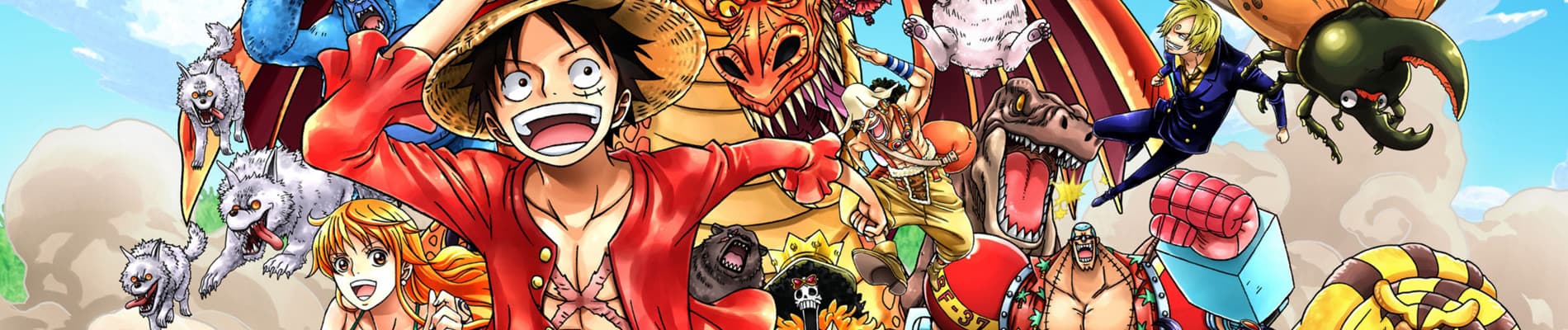
2026 was supposed to be the year of fresh stories — but reality turned out to be more complicated. The industry is increasingly turning to proven brands: remakes, reboots, and continuations are crowding out original IP in the schedules of major broadcasters and platforms. This is no accident — it is a deliberate strategy, backed by data, economics, and audience sentiment. In early 2026, Japan's Anime Data Insights Lab published a report titled 2026 Anime Industry Trend Predictions. Its authors — analysts Keisuke Yutsudo and Yusuke Onuki — examined viewing patterns from January through December 2025 and reached an unambiguous conclusion: the remake trend will only intensify. According to the report, 2025 already showed a marked shift, with studios preferring to revive established franchises rather than take risks on new IP. The analysts predict that in 2026 this tendency will "accelerate even further" as anime producers continue to lean into nostalgia to meet audience demand. The trend toward remakes and reboots will continue for another two to three years — and 2026 is only the beginning. Onuki added that the vast majority of new IP that does emerge will be based on works that have already earned strong recognition both domestically and in international markets. Original bets remain a rarity. The mechanics are straightforward: anime fans who grew up on 90s titles are now in their 30s and 40s, with real purchasing power. That makes them an ideal target audience for merchandise sales, Blu-ray releases, and live events. Yutsudo noted that it was precisely this demographic that fuelled the "hot topics" of 2025 — including buzz around reboots of titles such as Hell Teacher Nube, Cat's Eye, and YAIBA. At the same time, overseas streaming is financing production to an ever greater degree: according to the report, it now covers at least 70% of Japanese studios' production costs. This makes globally recognisable IP even more attractive — they are an easy sell to international platforms. Magic Knight Rayearth — a reboot marking the franchise's 30th anniversary, from studio E&H Production, with a new cast and composer Yuki Kajiura The ONE PIECE — a WIT Studio adaptation for Netflix offering new viewers a condensed retelling of the East Blue saga without filler High School! Kimengumi — an announced reboot of the late-80s hit Astro Boy Reboot — an international co-production between Japanese and French studios Ghost in the Shell — a new serialised adaptation of the iconic universe Structural factors also underpin the pull toward proven IP. The relatively weak yen against foreign currencies has significantly squeezed Japanese studios' margins. According to Teikoku Databank data, eight animation groups ceased operations in 2025, with at least two declaring bankruptcy. In this environment, betting on a recognisable brand is not a creative compromise — it is a survival necessity. Remakes reduce commercial risk: a built-in fanbase, ready-made merchandise infrastructure, and a self-evident marketing narrative. At the same time, modern technology — high-quality CG and the latest animation tools — allows classics to be presented in a form that appeals to younger viewers. One major release from the summer of 2026 stands apart from the remake wave — and it is an original. Sparks of Tomorrow, from Kyoto Animation, is an adaptation of Hiro Yuki's light novel 20 Seiki Denki Mokuroku, first announced by the studio back in 2018. After the arson attack on Studio 1 in July 2019, which claimed 36 lives, the project was placed on indefinite hold. Seven years later, the anime reached air: the premiere took place on 5 July 2026 on ABC TV, TOKYO MX, TV Aichi, and BS11, with global streaming provided by Netflix. The directorial debut belongs to Minoru Ota — a KyoAni veteran with credits on titles including Love, Chunibyo & Other Delusions! and Miss Kobayashi's Dragon Maid. The screenplay was written by Tatsuhiko Urahata (Haganai, Hi Score Girl). The story unfolds in an alternate Meiji-era Kyoto — a city where the steam engine forms the backbone of civilisation and electricity remains an impossible dream. The lead voice cast features Yuma Uchida (Megumi Fushiguro in Jujutsu Kaisen) and Sora Amamiya (Chizuru Ichinose in Rent-A-Girlfriend). At Anime Expo 2026, the first two episodes were screened ahead of the official broadcast date, followed by a Q&A with director Ota and producer Satori Senami. Sparks of Tomorrow was selected for the official programme of the Annecy International Animation Film Festival in the TV Films category. Ota himself described the project as "a new frontier" for the studio. The first season's ending theme is performed by musician and producer Ginger Root (Cameron Lew). The opening was composed by the band Luna Goami — both collaborations were announced shortly before the season launched. Another key argument in the report concerns audience dynamics. Onuki disputes the narrative of "young audiences abandoning anime": in his view, the decline in domestic viewership in Japan is more a product of genre oversaturation and the industry's reorientation toward overseas markets, where the bulk of revenues now lie. Netflix has reported that its anime audience accounts for a significant share of its subscriber base — at least 150 million people worldwide. Competition is also shifting: real-world events, online controversies, and reality content now vie with anime for audience attention. The industry's response is titles that provoke discussion and fan theorising — which, according to analysts, demonstrate the highest long-term viewer retention. In this way, 2026 has laid bare a fundamental tension at the heart of the anime industry: commercial pressure pushes toward proven IP, while Kyoto Animation's Sparks of Tomorrow stands as a live reminder that original stories are still capable of becoming the defining event of a season. How the market responds to that signal will likely determine what the autumn 2026 season — and the 2027 lineup — will look like.


